
Your guide to self check-in hotels

- Self check-in methods range from online or mobile check-in to self-service kiosks and keyless entry.
- Allows guests to skip lines and check in digitally, saving time and effort.
- Provides a safer, more flexible option that minimizes physical interaction and accommodates late arrivals.
Time is valuable in the world of travel, and few things disrupt the experience quite like wasting it. In the past, checking into a property often required waiting in lines and interacting with front desk staff – an unavoidable step that can feel like even more of a hassle after a long journey.
The dawn of paperless travel removed traditional barriers in exchange for contactless transactions – a feature that remains beneficial for many travelers. Self check-in hotels are revolutionizing the way travelers experience their stays. With modern systems, guests are able to check in remotely, access hotel amenities, and even check out without stepping foot near a front desk.
This article explores how self check-in works, its benefits, and the different types of services available.
How self check-in works
A self check-in hotel allows you to check into your room without the need for a front desk agent. Instead, you use a check-in kiosk or mobile app. These digital services connect to the property’s management system to verify reservations and guest identities, as well as provide room entry using key cards or keyless entry.
The self check-in process is designed to save time and provide guests with more control over their hotel experience. You no longer need to line up to interact with staff, giving you more freedom to focus on enjoying your stay.
How to use a self check-in kiosk
Using a self check-in kiosk at a hotel is relatively straightforward:
Arrive at the kiosk: which is typically located in the hotel’s lobby or main entrance. Most check-in kiosks feature touchscreens with instructions to guide you through the process.
Enter your reservation details: such as your reservation number, confirmation code or last name. Some kiosks allow you to provide a membership or loyalty number.
Confirm your identity by scanning a credit card or ID such as your license.
Review the reservation details: including the dates of your stay, room type, and number of guests. Some kiosks offer additional options like requesting restaurant reservations and purchasing upgrades.
Pay for the reservation: (if you haven’t already), generally with a credit or debit card.
Receive your room key: either in physical form or digitally through a smartphone app.
Read important information: such as Wifi details and on-site facilities.
Complete your check-in: after reviewing the final confirmation.
Proceed directly to your room.
If you run into any issues or have questions during the self check-in process, most kiosks have a “Help” or “Assistance” option that alerts an on-site staff member.
Benefits of self check-in hotels
Flexibility
Hotels with self check-in enable you to check in at any time, even before you arrive at the property, without needing assistance from staff.
Privacy
Self check-in allows you to avoid face-to-face interaction with others, ensuring increased privacy, safety, and hygiene.
Keyless entry
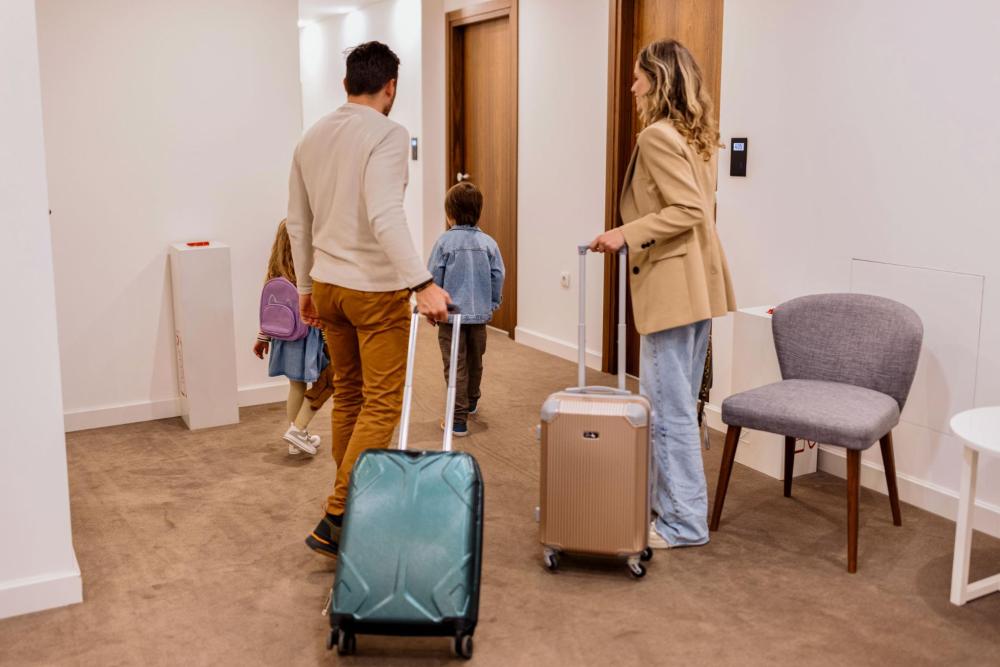
Self check-in sometimes involves keyless entry, which lets you access your room without a key or key card. As a result, you don’t have to worry about forgetting or losing your key and incurring any associated costs – or having to return to the front desk because your key card got randomly deactivated and no longer works.
Efficiency
Self check-in gets you to your room faster because you no longer need to wait behind people in the lobby, particularly around peak check-in time. The check-out process is also more seamless: you either check out through the same kiosk system you used to check in, check out using the property’s mobile app, or just return your key card to a drop-off point.
Types of self check-in hotel services
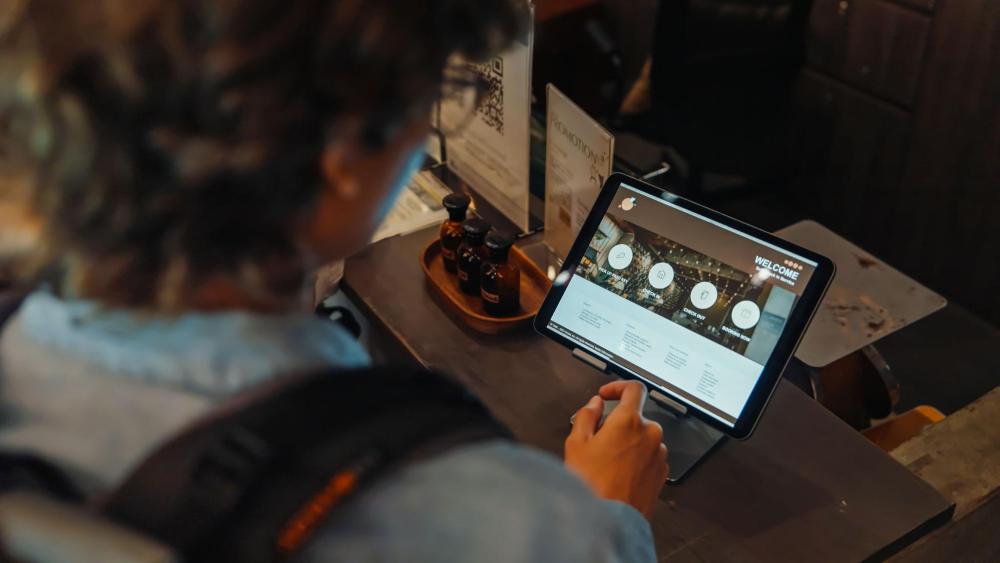
Self check-in hotels have evolved to offer a variety of options, allowing guests to use the method that best fits their needs and preferences. Each service is designed to save time and enhance convenience.
Online check-in
Some hotels offer online or mobile check-in, where you check into your room directly through the property’s website or a dedicated smartphone app.
Digital check-in often includes a digital room key on your smartphone, which you can use to head straight to your room without having to stop at the front desk first.
One of the most significant benefits of online check-in is being able to check in at your convenience, whether earlier than the official check-in time or after hours. This method also reduces congestion in the lobby, especially for late-night arrivals.
Self-service kiosks
Some hotels provide self-service kiosks that act as virtual receptionists, allowing guests to provide reservation and payment information in exchange for room entry. Select kiosks offer additional services like securing on-property reservations and accepting upgrade requests.
In addition to reducing face-to-face interaction, kiosks are also handy when the front desk is crowded with other travelers. This process is beneficial for those who prefer minimal interaction with staff but may still require assistance during check-in.
Keyless or contactless check-in
After checking in either online or at a self-service kiosk, some hotels allow guests to access their room using their mobile device or with a code – no physical key required. Instead, your smartphone becomes your room key for the duration of your reservation.
The benefit of contactless check-in is twofold: it eliminates the need to stop by the front desk and lowers the risk of losing or leaving a physical key behind. Keyless entry is particularly convenient for tech-savvy travelers who appreciate enhanced security features.