What is an inn?

- Inns are small, often family-run lodgings known for offering a warm ambience and unique experiences
- They differ from hotels and motels in size, services, and overall atmosphere
If you’ve ever traveled through small towns or along road trip routes, you’ve probably come across an inn with a front porch and comfortable rooms. But what is an inn, exactly? This guide explores everything you need to know about inns, how they differ from hotels and motels, and why staying at one may be a good fit for your next vacation.
What is an inn?
An inn is a type of accommodation that provides lodging, food, and a more personal experience compared to larger hotels. The term dates back centuries and was originally used to describe a place where travelers could rest and eat on long journeys. Inns have historically been smaller, family-run establishments located along popular travel routes or in small towns.
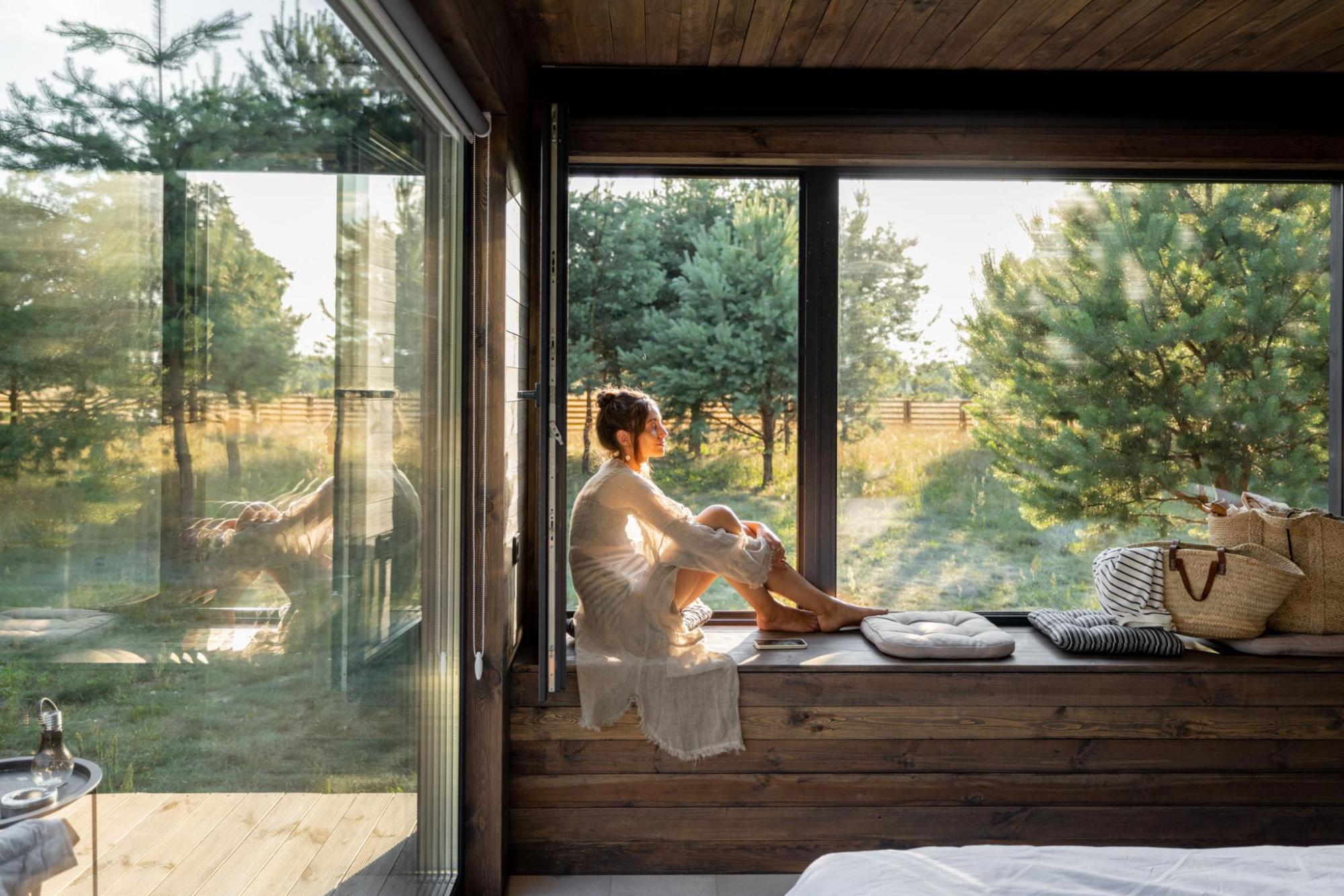
Today, the term ‘inn’ usually refers to a small, independent property with fewer rooms (often less than 20), a more homey feel, and a greater focus on personalized service. While you may not find a spa or business center on site, you generally find comfort, character, and a peaceful place to relax.

The benefits of staying in an inn
Now that you have a basic idea of what an inn is, let’s look at why many travelers choose inns over hotels or motels. Inns can offer a more personal stay for travelers looking for a slower pace or a more memorable experience.
Personal touch
Most inns are run by the owners themselves or a small group of people, which means the service typically feels more personal. You can usually expect a warm smile, friendly advice on planning your itinerary, or even a homemade meal. These gestures make stays more enjoyable.
Experience
No two inns are the same – some can be in old stone houses, while others may be in cottages. They often reflect the character of the area – whether it’s through the building’s architecture, the way it’s decorated, or even the kind of food they serve.
Homey feel
One of the defining features of an inn is its warm, homey atmosphere. You often come across comfortable armchairs, fireplaces, bookshelves, and décor at inns that make you feel at home. This sense of familiarity is what makes this accommodation type a popular choice among many.
Location
Inns are often found in smaller towns, historic areas, or places close to nature. If you’re looking to get away from the hustle and bustle of the city, inns can offer peace and a deeper connection to your surroundings.
Local knowledge
Because inns are traditionally locally owned, the hosts usually have good recommendations for places to eat, visit, and explore that you won’t find in tourist guides. You’re not just booking a bed, you’re gaining access to insider knowledge.
Fewer guests, more calm
With fewer rooms and less foot traffic, inns can be quieter and more peaceful than hotels. This can make them a good option for couples or solo travelers looking to unwind.

What is the difference between an inn and a hotel?
While they both offer accommodation, the differences are quite noticeable.
Building type
Hotels tend to be larger and are designed to accommodate more guests. Inns, on the other hand, are usually smaller and may be converted from older homes or historic buildings.
Room size
Inns typically have fewer rooms, which may be smaller in size than those in hotels. Modern hotel chains normally have standardized room sizes and layouts.
Facilities
This is one of the key differences. Hotels often come with facilities such as gyms, swimming pools, business centers, and room service. Inns normally offer more limited facilities, but they may have other helpful and relaxing facilities like board games, a garden with seating, or complimentary tea and cake.
Services
Inns tend to focus on personal service and a welcoming atmosphere. There may not be 24-hour reception, but there will most likely be someone to greet you with a smile and make you feel at home. Hotels tend to offer more formal services like valet parking or a concierge.
Location
Inns are often found in quiet towns, rural areas, or historic neighborhoods. Hotels, especially big chains, are more likely to be in city centers, business districts, or near airports.
Shared space
Inns typically include shared spaces like a comfortable lounge, dining area, or garden, encouraging interaction between guests and the host. Hotels are usually more private and offer functional spaces.
Experience
Inns often focus more on atmosphere and experience than on convenience. Inns can appeal to travelers who enjoy a slower pace, more personal service, and a distinctive setting. Hotels cater more to travelers who prioritize comfort, utility, and a range of facilities.
Price
This can vary widely, but inns may generally be more affordable than high-end hotels, especially if you’re staying in popular cities or tourist hotspots. That said, premium inns do exist, particularly in heritage buildings or sought-after locations.
What is the difference between a hotel, a motel, and an inn?
People often ask how inns, hotels, and motels differ. It’s helpful to break it down into a few categories:
Category | Hotel | Motel | Inn |
|---|---|---|---|
Size | Usually large, multi-story buildings | Typically single or double-story buildings | Generally small, often under 20 rooms |
Location | Typically found in city centers, near airports, or business districts | Located on highways or on the outskirts of towns | Commonly in rural areas, small towns, or scenic places |
Room access | Rooms can be accessed by interior corridors | Rooms frequently open directly to the parking area | Rooms can be accessed from within the building or sometimes outside |
Parking | On-site or valet parking, sometimes paid | Parking is sometimes free and right outside the room | Limited on-site parking may or may not be next to the rooms |
Facilities | Extra amenities like gyms, pools, restaurants, and business centers | Basic amenities like a bed, bathroom, TV, and some extras | Moderate amenities like breakfast, common lounge, garden, and sometimes a dining area |
Services | Room service, concierge, 24/7 front desk | Limited services | Personalized service from the owner or a small team |
Atmosphere | Professional and formal | Functional and convenient | Warm and homey |
Understanding what an inn offers and how it compares to other types of accommodation can help you choose the best accommodation type for you.