
- Japan's bullet trains (shinkansen) are one of the best ways to get around the country, although domestic flights can often be cheaper
- Many businesses still only accept cash, although credit cards are becoming more popular in the major cities
- Convenience stores not only sell affordable snacks and drinks, they also have full meals, ATMs and other services like printing
Whether it's the futuristic metropolises or the centuries-old traditions, Japan’s unique blend of old and new makes its popularity no surprise. You’ll be able to explore at your own pace too, as the large public transport system is an efficient way to get around the country. To help you prepare for your trip, we've put together some Japan travel tips with useful information about the best time to visit, what to see and how to get around.
When to visit Japan
Spring – peak season
Visiting Japan in the spring (March to May) is one of the most beautiful times of the year, with cherry blossoms blooming across the country and many of the natural sights at their most colourful. The weather is pleasant for exploring the cities and there isn't usually much rain.
But spring is also the busiest time of the year. Transport and accommodation can book out early and prices tend to be higher than usual.
Summer – off-peak
The temperature in Japan soars in the summer (June to August) and many parts of the country can be humid, but that means the visitor numbers are much thinner. It can be a good time to see the sights without the crowds.
A lot of festivals take place in summer, so you can often join some fun activities. It can also be slightly cooler in the mountainous regions if you're going for some hiking.
Autumn – peak season
Although it doesn't get quite the same attention as spring, the rich orange colours of autumn (September to November) can often be just as beautiful. The temperature is mild and the days are drier, making this a great time for sightseeing and outdoor activities in all parts of Japan.
Although it's peak season, it's not quite as busy or expensive as spring. It's still a good idea to book in advance for popular activities, though.
Winter – shoulder season
Although tourist numbers drop across Japan in winter because of the cold weather, the ski regions of the country see a huge spike in visitors, particularly Hakuba Valley and Niseko.
Shorter daylight hours limit the amount of things you can do outdoors, but it can be a quieter time to explore the indoor attractions of the cities, like museums, galleries and shopping centres. Soaking in an outdoor onsen (hot springs) amongst the snow is also an authentic Japanese experience.
How long to stay in Japan
For first-time visitors, a ten-day itinerary for Japan is a good minimum length for a trip. That allows you to spend a few days in about three destinations – such as Tokyo, Osaka and Kyoto – with possibly an additional day excursion somewhere.
Whereas a two-week-long trip lets you fit in a bit more variety. As well as seeing the most popular destinations for a few days each, you can add in places like Hiroshima, Naoshima or Kanazawa.
If you're coming back to Japan for a return visit, you may want to focus on one of the other islands, such as Shikoku, Kyushu or Hokkaido. For each of them, about seven to ten days is a good length of time to explore a mix of their cultural and natural sights.

How to get around Japan
Shinkansen (bullet train)
Japan's famous bullet trains – known as shinkansen – are one of the most common ways to get between the country's main cities, particularly on the popular route between Tokyo, Kyoto and Osaka.
There are 10 shinkansen lines in Japan, connecting Sapporo in the north to Kagoshima in the south. The ticket price for shinkansen is much higher than regular trains, so if you're planning to take a lot of them, you may want to get a JR Pass that gives you unlimited travel for a set number of days.
Regional trains
There's also a vast network of regional trains across Japan, which are often the best option to go shorter distances or to get between smaller destinations that aren't serviced by the bullet trains. They can also be a slightly cheaper but slower way to get between major cities.
Most regional trains don't require reserved tickets so you can just get on the next one when you arrive at the station. If you have a rechargeable payment card like a Suica or PASMO, you can usually just tap that rather than buy a ticket.
Top tip: consider a regional JR Pass if you're spending most of your time in just one part of the country. These regional passes are considerably cheaper than the countrywide one and can be used on most of the local JR trains in that area.
Domestic flights
Domestic flights are a popular option for visitors travelling large distances across Japan, such as between Tokyo and Sapporo or to the islands of Okinawa. Along with the country's two main airlines, there are a number of low-cost airlines covering some of the routes.
There are lots of flights for shorter routes like Tokyo and Osaka, and sometimes they can be cheaper than the shinkansen. But it's a good idea to also consider the time it will take to get to the airport – for instance, Narita Airport is about one hour from central Tokyo.
Renting a car
For visitors who want to explore more than just the main cities, hiring a car in Japan can be a comfortable way to see more of the country. There's an excellent system of highways around the main islands, while rural roads tend to be quiet and safe.
To rent a car in Japan, most nationalities will need an International Driving Permit (IDP) or a translation of their licence.

Where to stay during your trip to Japan
Because so many of Japan's cities are large, you can often save time by choosing a neighbourhood that's convenient for your planned activities.
- Tokyo: staying in Shinjuku puts you amongst the main entertainment districts, while Tokyo Station is closer to many of the heritage and cultural sights.
- Osaka: basing yourself near Namba Station makes transport easy if you're going to be exploring different areas, while Dotonbori is good for dining and nightlife.
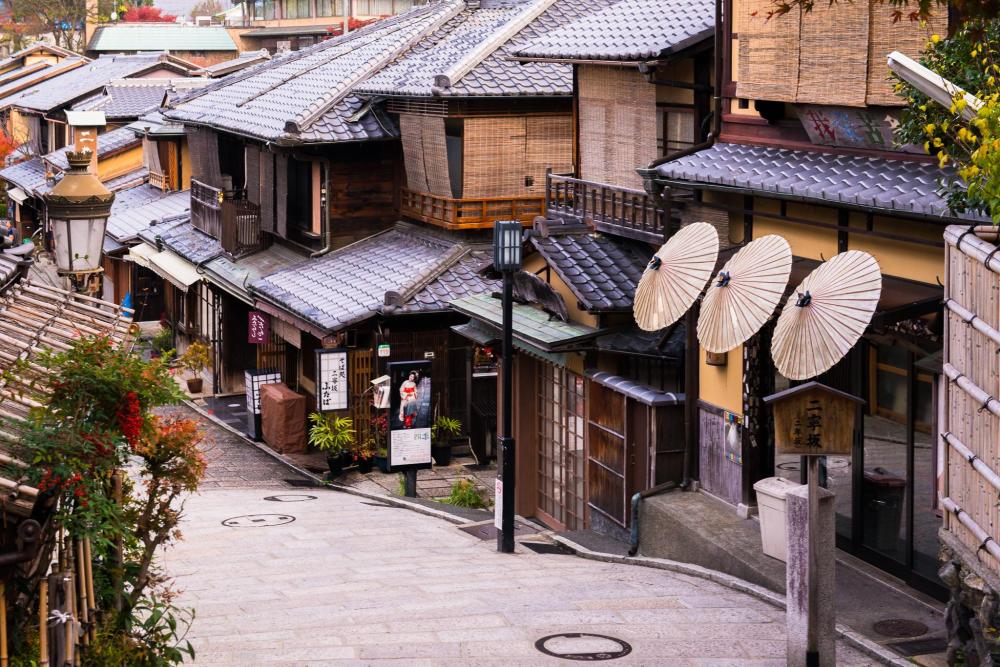
- Kyoto: the city's downtown area is a central base to reach many of the main sights, but staying in the Gion geisha district gives you a more historic experience.

Essential things to know about Japan
Payment and tipping
Much of Japan's economy is still cash-based, so make sure you're always carrying enough cash. When you go to pay, place the money on the small tray at the register rather than handing it to the cashier.
Although many locals will mainly use physical money, credit cards are becoming increasingly popular and you'll find more businesses accepting them, especially in the major cities. Japan does not have a culture of tipping and doing so can cause confusion.
Language
You may be able to use English at major hotels, attractions and transport hubs, but it is not widely spoken across Japan. Signs in places like train stations will have English translations and businesses frequented by travellers may have leaflets in multiple languages. But it's a good idea to have a translation app on your smartphone.
Knowing a few phrases of Japanese will be appreciated, and some of these include:
- Good morning: ohayoo gozaimasu
- Hello: konnichiwa
- Thank you: arigatoo gozaimasu
Top tip: sumimasen is a useful word because it has a different meaning depending on the context. Roughly translated as "excuse me", it can be used to get somebody's attention, to apologise, to start a conversation or to thank someone.
Escalators and footpaths
When walking on footpaths, keep to the left side to allow people to pass on your right. This is the same convention as driving in Japan.
Whereas escalator etiquette depends on your location. In Tokyo and most of Japan, you should stand on the left of an escalator and walk on the right. But in Osaka and surrounding areas like Kyoto and Nara, people stand on the right and walk on the left.
Carry your rubbish
There are very few public rubbish bins in Japan, even in the busy parts of the major cities. You'll be expected to carry any rubbish with you – maybe even back to your accommodation – so a small daypack can often come in handy.
You may find some bins next to vending machines or outside convenience stores. These are often specifically for things like cans or bottles, and are intended to be just for people who have purchased something there.
Respectful behaviour
Japanese culture has lots of unwritten rules for respectful behaviour. Some of these include:
- Keeping your voice low on public transport by using headphones, avoiding phone calls and eating or drinking. However, eating and drinking on shinkansen is fine.
- When you're pointing, use your palm, not a finger.
- Use both hands to give or receive items like business cards.
- Joining a queue if people are waiting.
- Avoiding smoking while walking or in most public areas. Large cities will normally have designated smoking areas near train stations.
Dining etiquette
Different styles of restaurants have their own customs you need to be aware of. Below are some customs to be aware of:
- There may be a vending machine at the entrance, in which case you'll choose and pay there, then pass the coupon to the staff.
- Some restaurants may have tables where you'll sit on the ground and be required to take off your shoes. Put shoes back on or use provided slippers to move around other parts of the restaurant, such as to the bathroom.
- If you are given a wet towel at your table, this is to wipe your hands before eating but never for your face.
- Don't leave your chopsticks vertically in a bowl of rice because it's considered bad luck.
- Slurping noodles is a sign you're enjoying the dish.
Convenience stores
Convenience stores, known as konbini, can be found in many spots throughout Japan and are a useful stop if you’re in search of affordable drinks and snacks. They also have other facilities like ATMs that accept international cards, public toilets and printers.
Luggage postage services
Many travellers will use trains to get around Japan, but that can make it difficult to carry large or multiple suitcases. Instead, you can use a luggage forwarding service to move your bags between hotels or to the airport. This is an affordable option and will usually take one or two days to transfer the luggage. Most large hotels will be able to help with the logistics.
Onsen tattoo policy
Soaking in a Japanese hot spring, known as an onsen, is a popular cultural experience. When you visit, each onsen has different policies, so you may need to bathe completely naked, wash yourself properly before getting into the hot spring or cover tattoos. These rules are something they will typically advertise, so always check in advance.
Top things to do when visiting Japan
Japan offers countless incredible sights, but there are usually a few key experiences that first-time visitors focus on.
- Shinjuku and Shibuya: immerse yourself in the neon-lit energy of Tokyo's main entertainment districts, full of dining, game arcades and karaoke bars.
- Kyoto: this former capital of Japan is filled with picturesque shrines and temples, many set amongst cherry blossoms or bamboo.
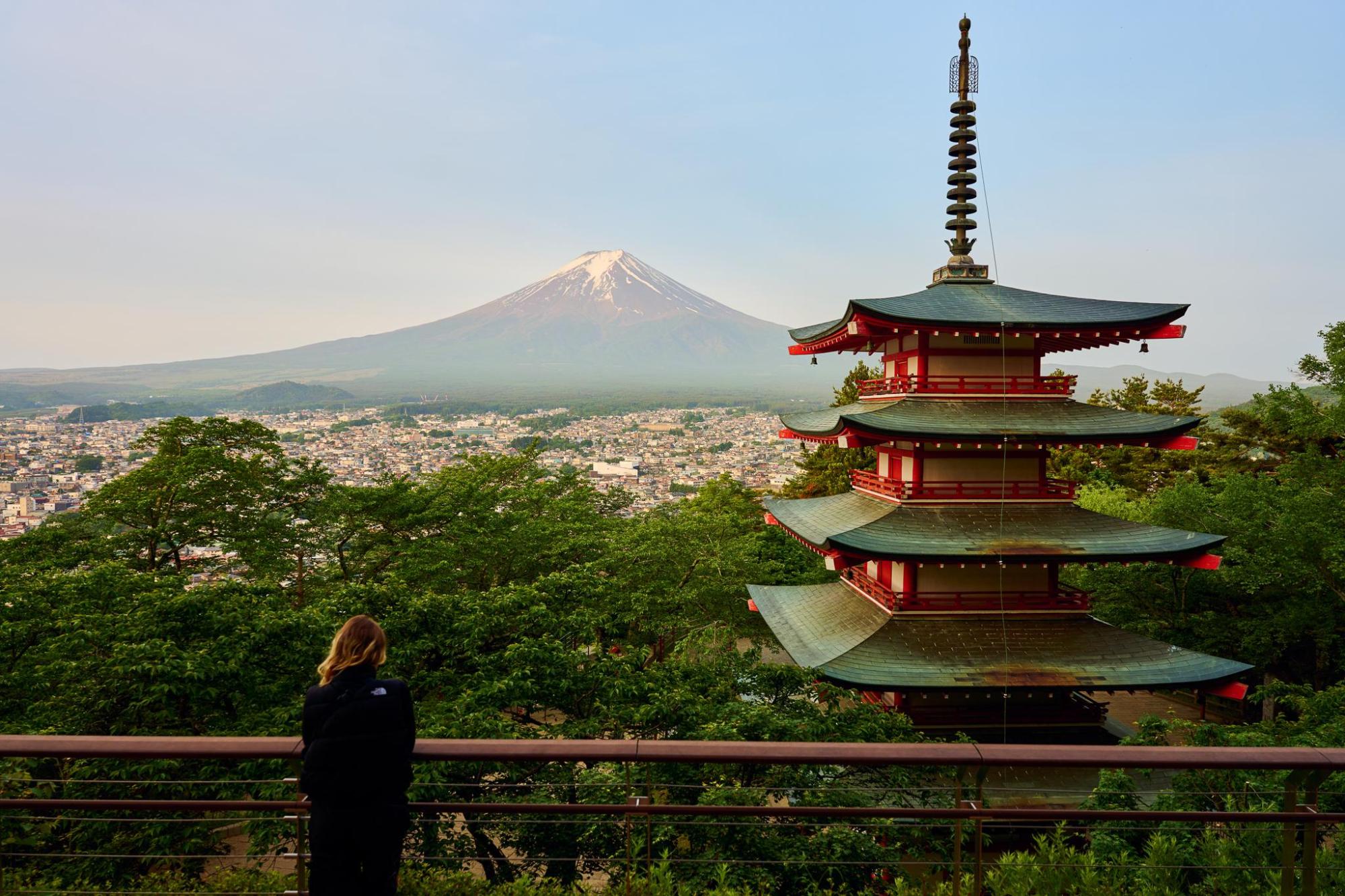
- Mount Fuji: the short climbing season in summer gives active travellers a chance to hike to the summit, but there are more relaxing viewpoints nearby any time of the year.
- Hiroshima: there's lots to see in one of Japan's main cities, including memorials and the Itsukushima Shrine with its torii gate that rises from the water.
Japan travel tips: hidden gems
To find even more Japanese experiences, you can go a bit further on the main island of Honshu or hop across the water to less-visited regions:
- Kanazawa: this city is a great alternative to Kyoto, with Edo-era geisha districts, heritage sights and one of Japan's most famous landscape gardens.
- Naoshima: the most famous of the art islands in the Seto Inland Sea, you can visit as a day trip or stay overnight to see the modern galleries and outdoor sculptures.
- Sapporo: often just a stopover on the way to Hokkaido's snowfields, this northern city is full of culture and is famous for its food scene.
- Shikoku: hike sections of the famous 1,200-kilometre pilgrimage route through 88 temples on Shikoku island, or tackle some of the other trails through the wilderness.
Embrace the adventure
One of the best things about visiting Japan is discovering the depth of the culture. Everywhere you go, Japan's blend of modernity and tradition will be on display, whether it's a vending machine at an onsen or an art gallery next to a castle. Make the most of your time in the country by trying new things and being open to new experiences, and let Japan surprise you.