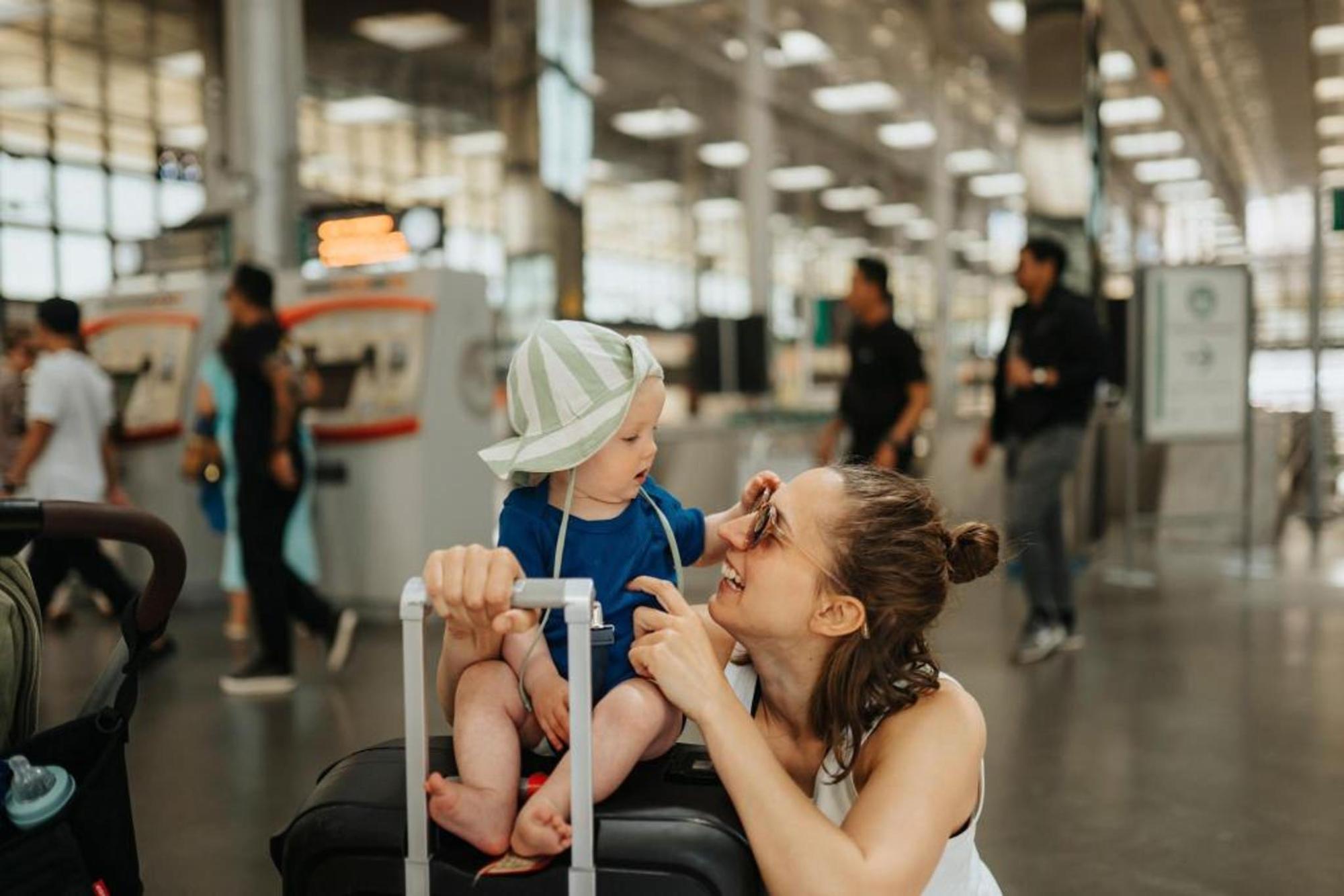
Traveling with a baby: Do babies need passports?

- A passport application form
- Required documents like a birth certificate
- An online application or appointment, depending on the passport authority and application route
Flying with a baby comes with a checklist of things to do and bring, but if you’re traveling internationally, you also need to know and follow the passport requirements. Babies usually need their own passport or travel document to travel internationally by air, but exact requirements depend on their nationality, destination, transit points, and carrier.
If you’re traveling from the UK with a British baby, they’ll usually need their own passport to travel abroad. Passport and entry requirements depend on your child’s nationality, destination, transit points, and mode of travel, so check official guidance before you travel.
Do babies need passports?
International travel
If your British baby is traveling abroad, they’ll usually need their own valid passport, regardless of age. This applies to many air journeys, while some land or sea routes may accept alternative documents, so check the requirements for every destination and transit point.
If your child isn’t a British national, check the passport authority for their nationality as well as the entry rules for the country you are visiting. Don’t assume a passport will replace other documents or meet every entry requirement.
Travel within the UK
For flights within the UK, check the airline’s current rules for infants and proof of identity or age. Requirements can differ between carriers. A passport isn’t usually needed for travel within the UK, but you may need different documents for an international connection or a journey that crosses a border.
When does a child need a passport?
If your child is traveling abroad from the UK, check whether they need a child passport based on their nationality and destination. British children generally need their own passport, while other nationalities may follow different rules.
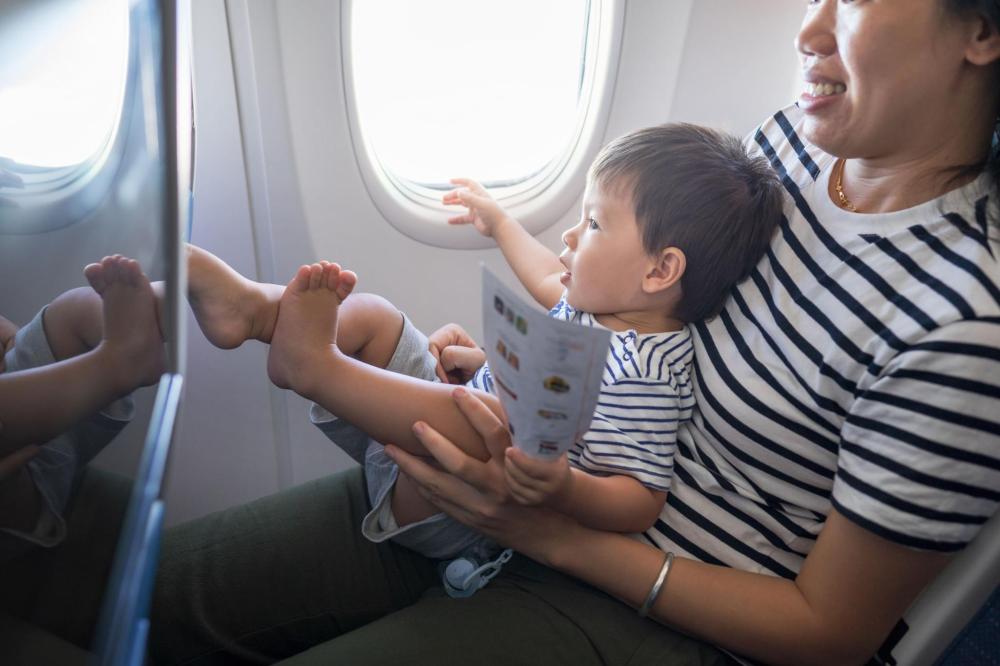
7 steps to apply for a passport for your baby
Getting a passport for your child might sound complicated, but it’s easier to manage when you break the process into steps:
1. Check which passport you need
Start with the official passport guidance for your child’s nationality. If you’re applying for a British passport, use the current GOV.UK guidance for a child passport. Check the entry requirements for every country on your itinerary, including transit points, before booking travel.
If you’re applying for another nationality’s passport, use the relevant embassy, consulate, or passport authority for guidance.
2. Gather the required documents
The documents you need depend on your child’s nationality and circumstances. For a British child passport, you may need documents such as a full birth or adoption certificate, proof of British nationality, a parent’s passport details, or court documents.
Follow the current application instructions rather than relying on a previous application or a photocopy of an old document.
3. Provide parental details and consent
Someone with parental responsibility may need to sign the application or provide information about the child’s parents, depending on the application route. If your family circumstances are different, check the official guidance before applying.
4. Prepare your baby’s passport photo
You’ll need a recent photo that meets the current passport rules. The requirements differ between digital and printed applications, so check the instructions for the route you’re using.
5. Submit the application
For a British child passport, you can usually apply online or by post. The application route, supporting documents and identity-confirmation steps may vary, so follow the current GOV.UK instructions before booking your ticket.
6. Pay the current fee
Passport fees and payment methods can change. Check the current official fee before submitting the application and avoid relying on an old figure.
7. Track the application and check the passport
Use the official tracking service where available, and check the passport details as soon as it arrives. Don’t book non-refundable travel until you have a valid passport and have checked the destination’s entry requirements.
Tips for flying with a baby
Time your flight right
Some families find it easier to travel around their baby’s sleep routine, but plans may need to stay flexible. A direct flight removes a connection, so compare the schedule, fare, and available support before booking.
Make feeding times strategic
Changes in cabin pressure can cause ear discomfort, particularly during take-off and landing. Feeding your baby or offering a pacifier may encourage swallowing and help with pressure-related discomfort.
Check with your airline whether it has a minimum age for travel or asks for a letter from a healthcare professional, particularly for very young babies.
Pack essentials and extras
Your carry-on bag should have the essentials: diapers, wipes, an extra outfit for both you and the baby, snacks, favorite toys, a comfortable blanket, and anything else that keeps them happy. Keep everything in its place so you’re not digging around mid-flight.
Keep baby entertainment fresh
A new, lightweight toy may provide a short distraction during the flight. Choose something safe and suitable for your baby’s age.
Take to the aisles
When it’s safe and permitted by the cabin crew, a little movement may help you and your baby settle. Follow the crew’s instructions and keep your baby secured as directed during take-off, landing, and turbulence.
Bring media backup
Having some downloaded videos, songs, or apps on hand can really help when your baby is bored. Enjoying a bit of screen time during the journey can keep the child entertained.
If your baby is old enough to enjoy a short video or calming music, go ahead and have a few ready to go on your phone or tablet.
Give yourself plenty of time
When you’re traveling with a baby, allow extra time for check-in, security, and boarding. Your baby may need a diaper change, feeding, or time to settle, so build flexibility into your plans. Getting to the airport early also gives you more time to find a quiet place to feed, respond to your baby’s needs, or regroup if plans change.
FAQ
Can newborns travel without a passport?
For international travel, a British newborn generally needs their own passport. For travel within the UK, check the carrier’s current identification requirements. If your child has another nationality, check which rules apply for their passport authority and the countries on your itinerary.
What is the minimum age for an infant passport?
There’s no minimum age for a British child passport. A baby can have their own passport from birth if they meet the nationality requirements.
Do babies under 2 fly free internationally?
Airlines set their own infant fares, taxes, and fees. Some charge a fee for a baby traveling on a parent’s lap, but this varies by route and carrier. Check the airline’s current rules before booking
How long are children’s passports valid for?
At the time of this article, a British child passport is valid for five years. Check the passport’s expiration date and the entry rules for each destination before traveling.
Keep in mind that the amount of time your child’s passport needs before expiring can vary by destination. Don’t assume that six months’ validity is always valid or required.
Are there any alternatives to a passport for a baby for land or sea travel?
Some destinations and routes may accept an identity card or other travel document instead of a passport, but this depends on your child’s nationality, the destination, the route, and the carrier. Check official entry requirements before traveling, including any rules for children traveling with one parent or guardian.
How far in advance do I need to start the passport process?
Passport processing times change, and mailing time is additional. Check the current processing information for the relevant passport authority before applying and allow extra time for document delivery or delays.
Apply as early as you can once you know your travel plans, and you may not want to book non-refundable travel until you have a valid passport and meet the entry requirements.
How long past the travel dates does the passport have to be valid for?
Passport-validity rules vary by destination and can also apply to transit countries. Check the official entry requirements for every country on your itinerary before traveling rather than assuming that six months’ validity is always required.